
Simple mornings
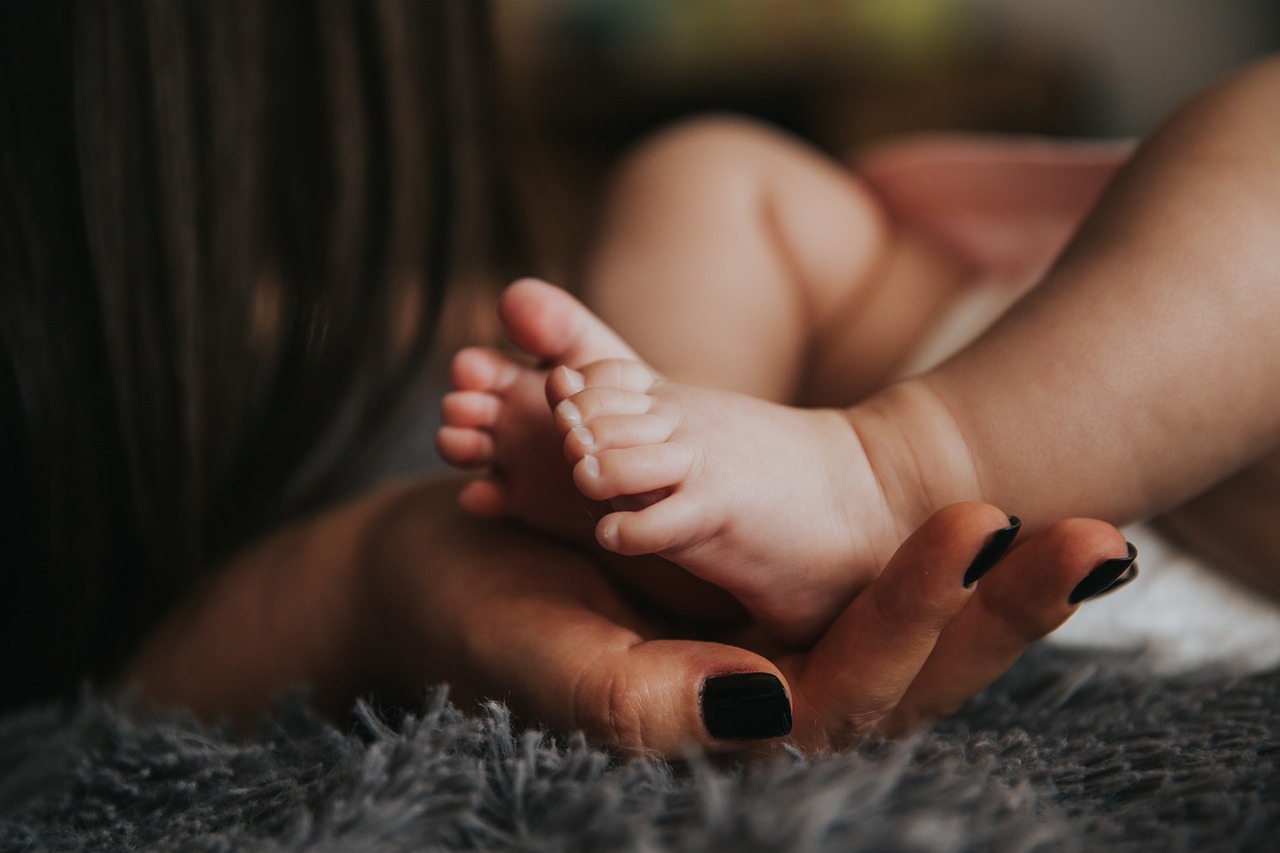
I wake around 8:30 a.m., my daughter still curled beside me, and I have about twenty minutes to turn myself into a working adult before my first class begins. I move quietly through the room, tea in one hand, running through my morning routine on autopilot. A few things like my baby’s blanket, diapers, and water bottle are always within arm’s reach, because motherhood doesn’t pause just because work is about to start.
I teach from my bedroom. Some mornings she sleeps through my classes. Other times she wakes mid-lesson, and I lift her into my arms, holding her close while I keep speaking. The camera only shows my face. My students never see the balancing act happening just below the frame.
This is what motherhood abroad looks like for me. It’s not glamorous or dramatic. It’s just deeply intentional. I am sure other women, somewhere else in the world, are living through a similar rhythm right now.
Motherhood is wonderful, but it’s also hard work. It’s the logistics more than anything. You discover you have reserves of energy you didn’t know you hadeware the barrenness of a busy life.
— Deborah Mailman
When work and care blur
By midday, the house feels more alive. Sometimes I have a break between 12:00 and 2:00 p.m., and I save that time for my daughter. When she wakes from her nap, my mother — my greatest support — often helps with her midday meal. If I’m free, I take over instead. We sit on the floor together. She plays. I try to eat. More often than not, we share from the same plate, because she insists.
Lunch isn’t really about food anymore. It’s about spending time with her before the afternoon shift begins.
I chose to work from my bedroom instead of setting up a separate office, because proximity matters to me. I want her to feel me near, even while I’m working. She’s always welcome in my space, and that closeness grounds us both.
Working from home as a single mother suits my daughter and me precisely because we’re in each other’s presence all day.
Dealing with work-related isolation
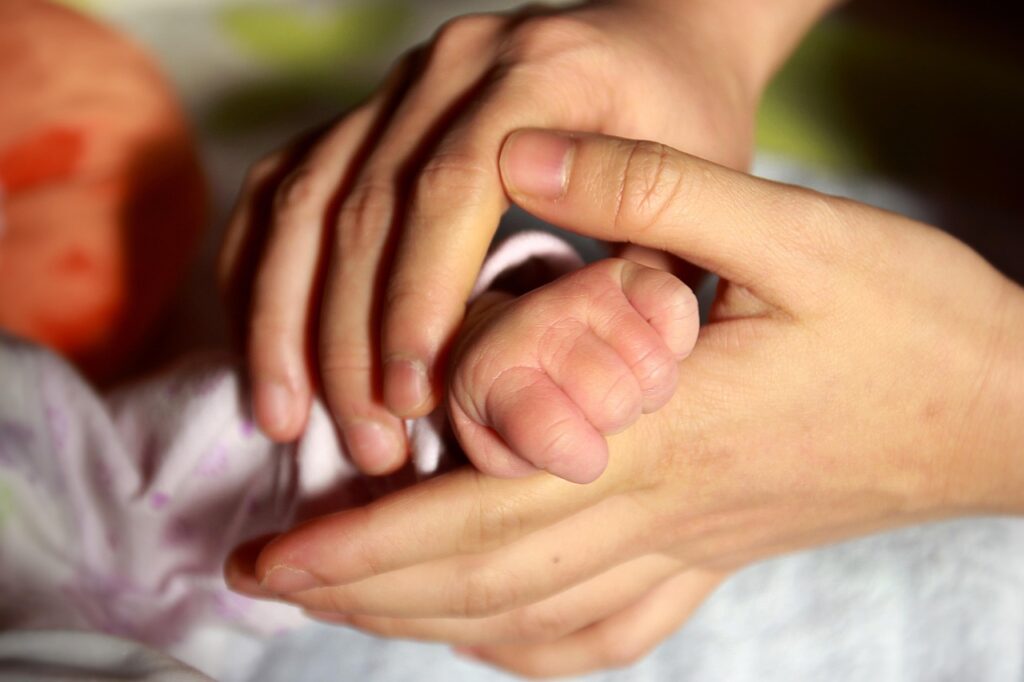
I don’t often feel lonely because of motherhood. My mother lives with me, and her presence fills many of the gaps that life abroad can create.
What I feel more often is work-related isolation. Teaching online means limited human contact; once my classes end, the silence can feel heavy. But the emotion I wrestle with most is guilt. The ever-looming motherhood guilt.
Am I spending enough time with her? Am I present enough? Even when I know I’m doing my best, the guilt still finds a way in. So I respond with intention: when I’m not teaching, she has my full attention. She’s always allowed into my world.
To care for myself, I’ve had to relearn how to step outside the house. Several evenings a week, once my classes end, I go out, sometimes to meet friends, other times just to walk and remind myself that I exist beyond the walls of my home and my virtual classroom.
Balancing identity, work, and motherhood abroad is something I’m still learning.
Letting go of perfection
Before becoming a mother, I kept a tidy, structured home. Now the house looks lived in. My daughter follows me everywhere. If I clean, she clings to my leg. If I cook, she wants to be carried.
I stopped fighting it. The house doesn’t need to be perfect. She needs me more.
Our evenings run on ritual now. She’s usually already eaten by the time I’m home. I breastfeed her briefly, then we bathe together. I take her into the shower, wash her, wrap her in a towel, and hand her to my mother, who helps with lotion and pajamas while I finish up. She knows the routine. Bath means sleep.
Navigating life with determination
One chapter of this journey taught me the most about myself.
Before my daughter was born, I lost my residence permit — not because I misplaced it, but because I couldn’t renew it. I lived without legal status for nearly two years. My home country was at war. Returning to Sudan wasn’t an option. Neither was Egypt, my second home.
Every day carried fear. I was afraid to walk outside. Afraid of the police. Afraid of being seen. That fear followed me everywhere, and my mother lived with it too.
Eventually, I decided to apply for humanitarian residency. It wasn’t easy—I had to find a trustworthy lawyer, sign countless documents, and build a strong legal case for my mother, my daughter, and me. The process took eight long months.
When the permit finally came through, it felt like I’d won a battle. Because I had.
I wasn’t just proud of myself; I was relieved for my mother. I watched fear leave her eyes. For the first time in years, we felt safe. We had dignity. We had ground beneath our feet.
I’ve come to understand that in moments of despair, what carries us through is a little faith, a little hope, and the resilience to keep going even when we’re terrified.
What I carry forward
The most intentional part of my culture that I pass on to my daughter is language. I speak to her in Arabic every day. It’s how I soothe her, teach her, love her. We let her watch educational content that helps her hear and learn English too. She already understands words in both.
Culture will unfold slowly, through food, stories, and music. For now, language is the bridge.
If I could offer one piece of advice to another woman considering motherhood abroad, it would be this: don’t do it alone if you don’t have to. Having a trusted family member beside you changes everything emotionally, practically, financially.
Motherhood abroad isn’t about doing it all. It’s learning who to lean on, when to pause, and how to step back long enough to restore your strength so you can return with renewed energy, clarity, and faith to keep going.
By midnight, we’re in bed. Some nights are easy. Others require patience. But what grounds us is the simple routines that we have established.
This is what home abroad looks like now: shared responsibility, exhaustion, and love.
____________
Story contributed by Phoenix (pen name), a Sudanese educator raised in Egypt and currently living abroad. She is a single mother navigating motherhood, expat life, and identity across borders. Phoenix is also the founder of a community centered on meaningful conversations and shared experiences.
