
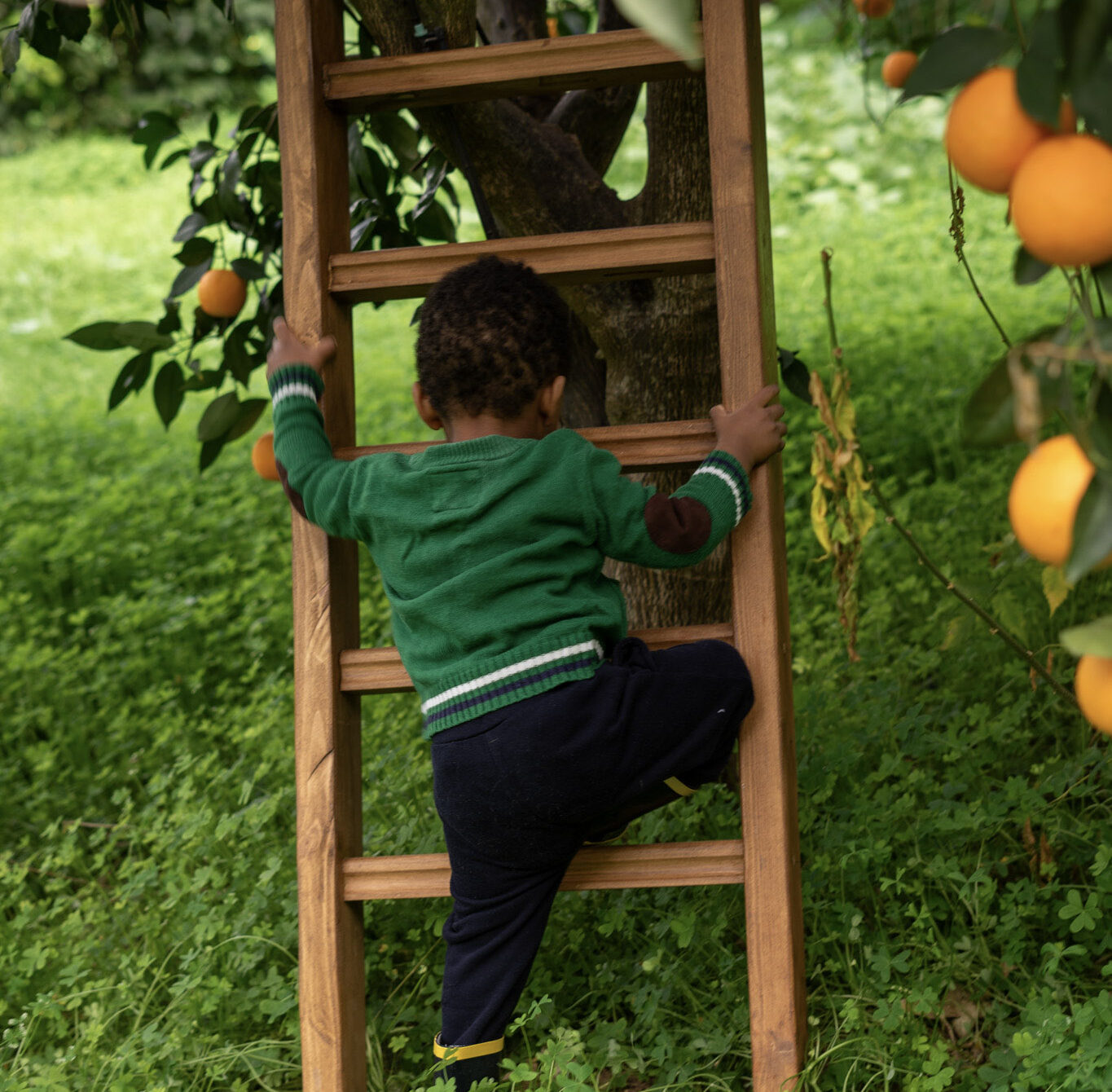
Two beginnings at once: motherhood and a home abroad
Becoming a mother changes everything. Becoming a mother abroad changes you even more; at least that’s what happened to me.
No one prepares you for what it means to raise a child, let alone to do so far from the place that raised you. Most conversations about motherhood abroad focus on logistics, healthcare, paperwork, and childcare systems, etc. But only those living them understand the emotional recalibrations.
So, here you are. Too foreign for home, too foreign for here. Never enough for both
— Ijeoma Umebinyuo, Nigerian-American poet.Motherhood abroad has taught me that while love is universal, support systems are not. Learning to mother without the familiar scaffolding of home reshapes you in ways you only understand once you’re inside the experience.
You Will Miss Home in New, Unexpected Ways
Before becoming a mother, I could manage homesickness. It came in waves, such as during holidays and birthdays, with certain songs, or as the seasons changed.
After having a child, it took a different shape. When I held my baby for the first time, I was overwhelmed with joy. And almost immediately, a wave of anxiety followed. Everything I had learned from friends, books, and parenting apps seemed to disappear, leaving behind a deep sense of unknowing.
More than anything, I longed for my mother. I had never felt such a strong desire for her presence as I did in those early days. I felt like a baby myself, needing someone to care for me the way only a mother can. As the days turned into weeks, I grew more confident, but the longing didn’t disappear. I still wished someone I had grown up with was close by.
My mother-in-law stepped in during the first few weeks, and her support made a real difference. When my mother finally visited, five months later, I felt a kind of ease return. For those weeks, I could breathe again.
Motherhood abroad teaches you that longing isn’t weakness. It’s love shared across borders.
I didn’t realize how much easier access to support can be in Kenya until I needed help at my new home in Cyprus. Back home, a relative or trusted referral can step in, often as a live-in nanny, assisting with everything from childcare to cooking and laundry. These arrangements are flexible and affordable, shaped around what a family can manage.
In Cyprus, help exists, but it costs much more. Most nannies are foreigners, which means covering visas in addition to salaries. Because of this, I stayed home with my child for a year and a half. When we finally felt comfortable enrolling him in playschool, we did. It allowed him to socialize with other kids, and it was far more affordable and safer than hiring full-time help.
I also missed the shared cultural understanding of how children are raised. Something as small as food highlighted these differences. Cypriot culture is far more sweet-centered than what I grew up with. In many homes, sweets are part of hospitality, offered to both adults and children without question. I still struggle with the idea of introducing sweets to toddlers before they are two years old, or even older.
I’ve learned to gently remind friends and family of my preferences. Sometimes it works. Other times, we let it go. Parenting abroad teaches you humility; you can’t always stay on the high horse.
And maybe it’s because I hadn’t fully learned the ways of the land when we discovered we were becoming parents. It happened just weeks after arriving in Cyprus. We welcomed the news with equal parts fear and excitement. Before I could adapt, I had to grieve the difference between the parenting I had imagined and the reality I was stepping into.
Your Identity Will Be Rewritten. More Than Once
Motherhood alone rewrites your sense of self. Motherhood abroad does it in multiple languages.
Just weeks after arriving in Cyprus, while running from office to office to change my visa from visitor to spousal status, we learned I was pregnant. Suddenly, I wasn’t just learning how to live in a foreign country. I was learning how to be pregnant, and eventually how to mother, abroad.
Back home, I wasn’t a mother, but I had watched close friends become one and seen how dramatically their lives changed. Still, nothing prepared me for learning how to be:
- a mother in an unfamiliar healthcare system
- a mother navigating new childcare norms
- a mother translating cultural expectations, sometimes literally
- a mother holding tightly to her beliefs while learning new ones
At the same time, I was balancing other identities: wife, employee, immigrant, daughter living far from her own mother, family, siblings, and friends.
There were moments I didn’t recognize myself. And moments I surprised myself with a resilience I didn’t know I had.
Before the baby arrived, I worked three different jobs—not at the same time, but sequentially —in search of a visa and local work experience. Each role, in its own way, moved me forward. The first gave me a contract that allowed me to secure my papers, even though I was dismissed shortly after they discovered I was pregnant. The second provided a pay slip and tax number. The third gave me hands-on experience in teaching and communication.
Each step mattered, even when it didn’t feel like it.
Routine Becomes Your Lifeline
In a new country, routine grounds you. As a new mother, it becomes essential.
We were living in a village, away from family and new friends, when I became a mother. Simple routines like morning walks, regular meals, bath time, and bedtime cuddles became anchors for both my son and me. When everything else felt unfamiliar, knowing what came next calmed my nerves. I believe it did the same for him.
Around the same time, I started gardening. It gave me something to look forward to outside of motherhood. Watching seeds sprout and flowers turn into fruit felt magical. It connected me to nature, and unexpectedly, to my childhood in Timau, Kenya.

Motherhood stretches you. Doing it abroad, without shared cultural reference points, can feel isolating. The key is to find what works where you are and lean into it. For me, it was walks to the nearest coffee shop, my baby in a stroller, sitting with a book, or simply watching people pass by.
If I did it again, I would go out more. I would create small connections, even fleeting ones.
Your Child Will Anchor You in the Present
There were days I questioned my choice to live abroad as a mother. Days I doubted myself at work, or felt emotionally disconnected.
Then my son would reach for me at bedtime, restless, hungry, or simply needing closeness. Those moments pulled me back into the present. He didn’t care about visas, distance, or uncertainty. He cared about safety, consistency, and warmth.
Through him, I learned that stability isn’t always about place. It’s about presence. Choosing a slower, less stimulating life has helped us stay calm and connected, even amid constant distractions.
Support Will Come. But It May Look Different
One of the hardest lessons of motherhood abroad is accepting that help doesn’t always arrive as you expect.
Sometimes it’s a friend who becomes your early-morning workout accountability partner. Other times, it’s a manager who offers grace instead of judgment. And yet ther times, it’s a stranger reminding you that kindness still exists.
For us, support also came through friends and family who gifted us with second-hand baby clothes, car seats, and furniture. We haven’t spent thousands on clothes, thanks to hand-me-downs and thoughtful gifts, especially during holidays.
In Kenya, support from family and friends feels more embedded in everyday life. I don’t remember hand-me-downs being as central back home as they are here, and they’ve saved us thousands of euros. We are forever grateful for that.
My advice to new parents is, when support shows up, in whatever form, take it, provided it fits your family setup and beliefs. Be open to it, and when you can, extend help to someone else.
You Will Learn to Mother Between Cultures
Raising a child abroad means constantly negotiating culture:
- What values do I carry forward?
- What practices do I adapt?
- What traditions do I pass down?
I want my child to know where he comes from, even as he grows where he is. I want him rooted, yet open. Confident in identity, flexible in belonging.
What Motherhood Abroad Has Taught Me So Far
If I could speak to my pre-motherhood self, I wouldn’t offer warnings. I’d offer reassurance.
I’d say: You will feel lonely at times, but find deliberate ways to connect. You will miss home; try to build meaning where you are. You will doubt yourself; nevertheless, you will do an incredible job.
Motherhood abroad doesn’t make you less supported. It makes you more aware of what support truly means for you, your family, and how you want to receive it.
A Reflection for You
If you’re a parent raising a child away from home (abroad, or in a distant city):
- What surprised you most about motherhood far from home?
- What do you wish someone had told you earlier?
And if you’re considering it, know this: you don’t need to have everything figured out. You just need to be present, willing, and gentle with yourself.
