
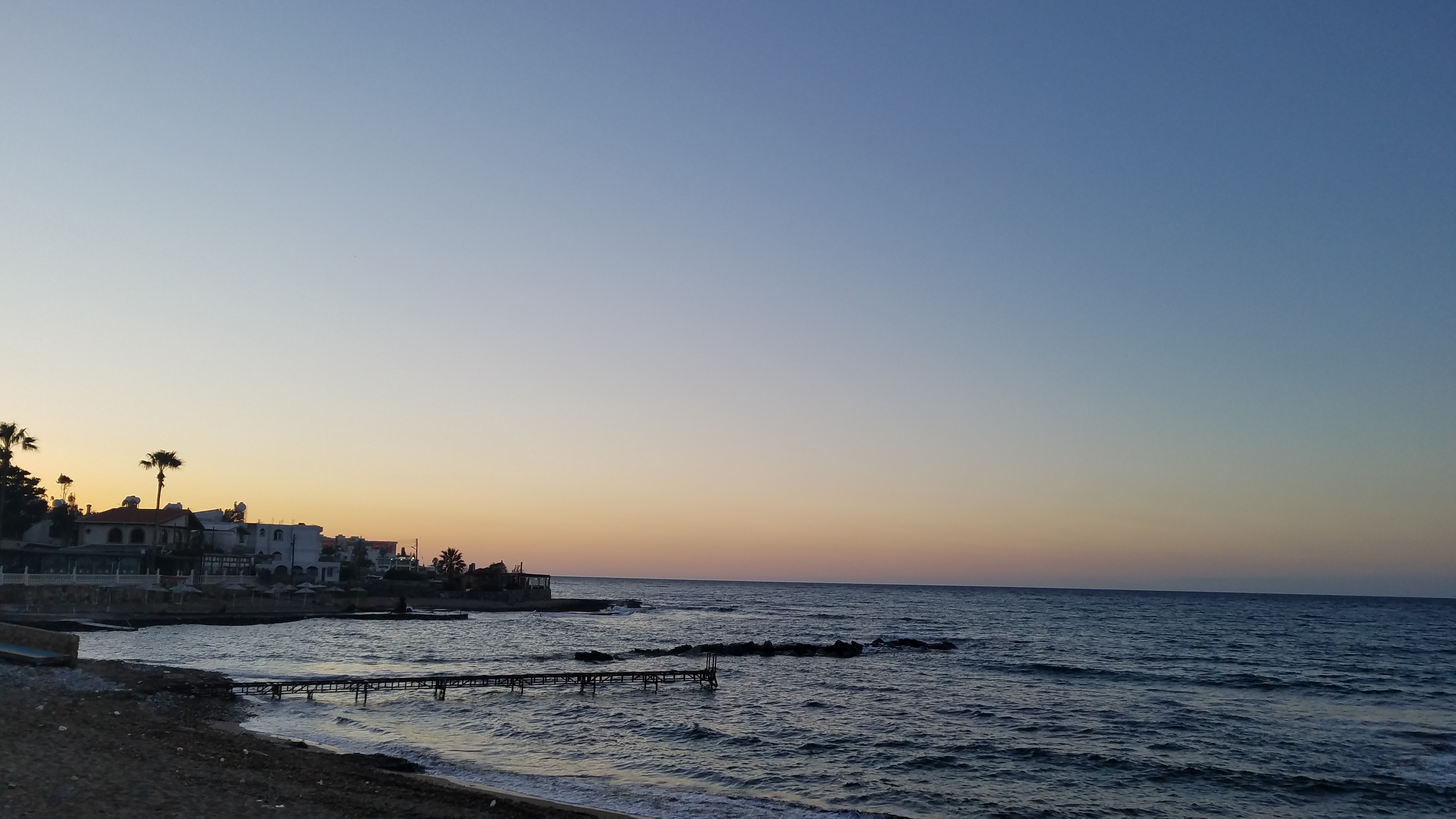
Kenya Moves Fast. Cyprus Doesn’t. Here’s What I’m Learning
When people talk about moving abroad, they often focus on the big things: jobs, visas, language, housing. And while those are undeniably stressful, the smaller, everyday adjustments quietly reshape your life—how you get around, how the weather affects your mood, how familiar routines suddenly demand new strategies.
Living in Cyprus after growing up in Kenya has taught me that adaptation becomes instinctive, almost necessary for survival. It shows up in waiting for a bus that may never come, dressing for a climate you didn’t grow up with, and learning patience in entirely new ways.
The only way to make sense out of change is to plunge into it, move with it, and join the dance.
— Alan Watts, British writerOne adjustment I’ve made is accepting that public transport here can take an hour or two for a distance a car would cover in fifteen or twenty minutes. I’ve learned to be more patient and flexible, as a bus can be late or simply not show up at all, and that has to be okay.
From Kenyan Matatus to Cypriot Waiting Games
In Kenya, public transport is chaotic, loud, colourful, and constant. Matatus weave through traffic, blasting music, wrapped in graffiti art, alive with personality. You might complain about congestion, but availability is rarely a concern; there’s almost always a way to get from point A to point B.
Then there are bodabodas (motorbikes adapted for transport), reaching even the remotest places, slicing through traffic like water. In Kenya, mobility, even when messy, feels accessible.
Cyprus is different
Public transport exists, but it operates on its own logic. Buses are few, schedules are limited, and entire neighbourhoods are unreachable without a car. Miss one bus, and you may wait a long time for the next, if it comes at all.
As someone who doesn’t yet drive, this has been one of my most significant daily adjustments. Simple errands require planning. Spontaneity becomes a luxury. I’ve had to cultivate real, practiced patience.
I’ve missed spontaneous outings with friends because transport didn’t align. Still, I’m optimistic that once I get my driving papers, I know this chapter will shift. Until then, I’m learning how deeply mobility shapes independence.
Adjusting From Kenyan Climate to Cypriot Extremes
Kenya’s weather, especially in Nairobi, is forgiving. Mild mornings. Warm afternoons. Cool evenings. Seasons shift gently. You dress once and adjust slightly.
Cyprus, however, is expressive. Here, summers are intense. The heat is unapologetic, heavy, and all-consuming. It dictates how you move, when you go out, and how much energy you have. I still remember my first late-September heatwave here, a thick humidity that left my body unsure how to respond.
Winters arrive quietly but can be surprisingly cold, especially indoors. Many homes are built to survive heat, not cold, which makes winter indoors feel harsher than expected. That said, modern housing is gradually improving, with newer buildings better suited to all seasons.
Outdoors, the swings can be just as unpredictable. You learn to always check the weather forecast before leaving home. Some winter days begin cold and end in full sun, and you master the art of dressing in layers you can shed by midday.
Then there’s daylight saving time, shifting the clock by an hour depending on the season. I still don’t fully understand the logic, but I’ve learned to live with it.
Over time, I’ve adapted: early mornings in summer, layered clothing in winter, staying hydrated, and accepting slower days when my body simply needs rest.
The Pace of Life in Kenya vs. Cyprus
Life in Kenya moves fast. There’s urgency, noise, and momentum.
In Cyprus, life unfolds slowly. Some shops close at midday. Some days, they don’t open at all. This initially shocked me, especially coming from a place where businesses often run 24 hours and long-distance buses travel overnight to avoid traffic.
I assumed bureaucracy would be easier here. It isn’t. Appointments stretch longer than expected, and people have simply learned to live with it.
At first, this pace frustrated me. Now, I see it as an invitation. Living here has forced me to be present, to wait without resistance, to breathe. Not everything needs rushing. Not everything can be optimized.
Finding the Balance
Living abroad isn’t about replacing one way of life with another. It’s about holding both.
I carry Kenya with me: my love for lively streets, spontaneous conversations, and unsolicited generosity. And I’m learning from Cyprus about stillness, routine, and the beauty of a slower pace.
Every bus delay, every weather adjustment, every small inconvenience becomes part of a larger lesson: resilience isn’t only built through significant challenges. It grows by adapting to the ordinary ones.
If you’ve lived away from home, what everyday adjustment surprised you the most? Was it transportation, weather, pace of life, or something you never expected?
Sometimes, it’s in these small shifts that we learn to belong; first to ourselves, and then to a new place.
